
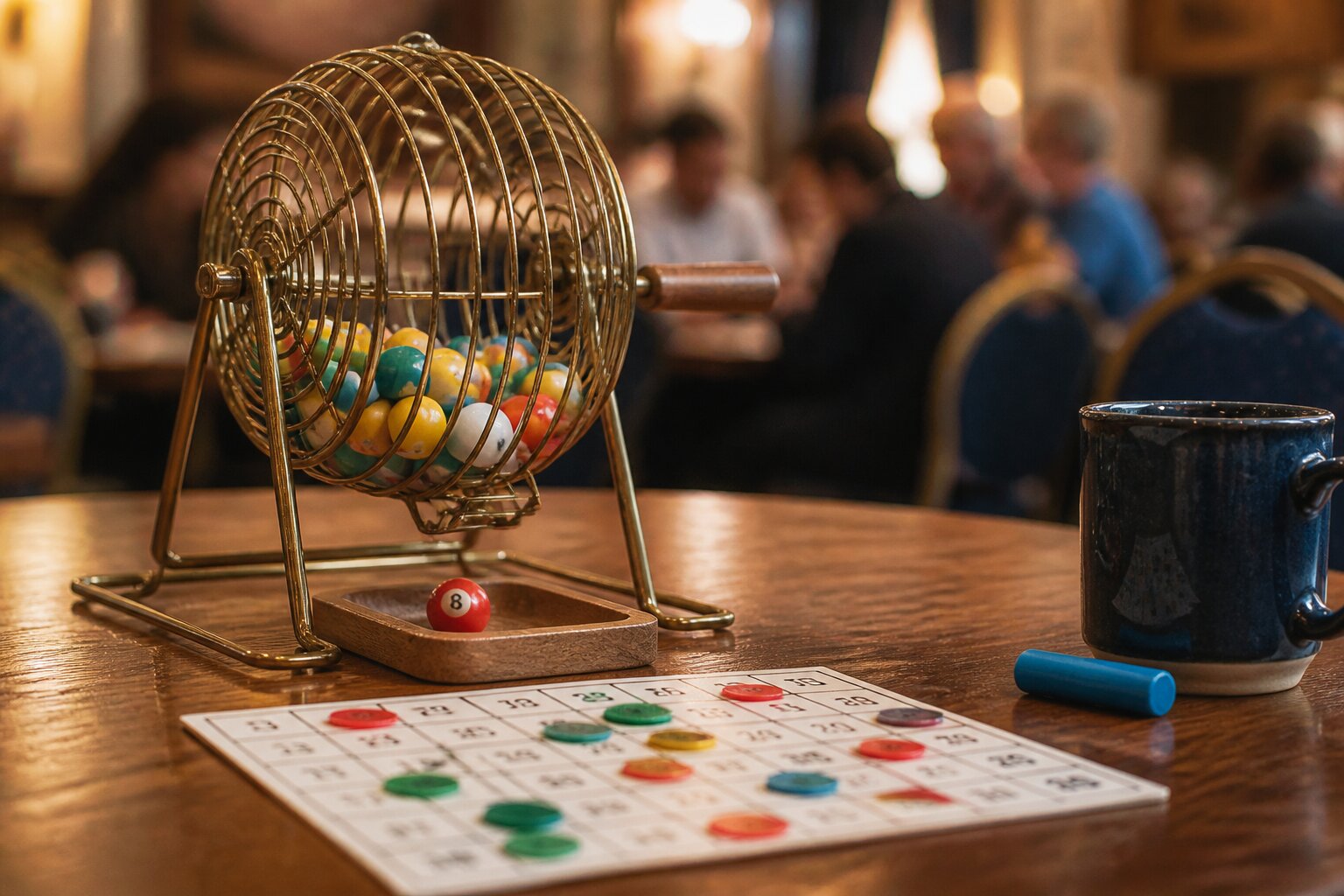
Bingo has long been enjoyed in village halls and online chat rooms, bringing people together for a bit of fun and excitement. But have you ever wondered whether playing bingo counts as gambling or is simply harmless entertainment?
When you buy a bingo ticket, watch the numbers being called and wait for a win, there is more to consider than first appears. This article explains what turns a game into gambling and why bingo is generally treated as a game of chance under UK law. Read on to see how the rules apply and what that means for players.
Understanding the Nature of Bingo
Bingo is straightforward to learn. Each player receives a card with a grid of numbers, each card showing a different combination. The caller draws numbers at random, either from a drum in a hall or by a certified electronic random number generator online.
In a 90-ball game, for instance, numbers are announced one by one, such as 17, 42 and 68, and players mark off any matches on their cards. The first person to complete a predetermined pattern, whether a straight line, two lines or a full house, signals they have won.
What defines bingo is that neither the numbers called nor the numbers on a purchased card are chosen or influenced by the player. The result relies on randomness rather than decisions made during play. Because every participant starts from the same position and there is no way to alter the outcome once the cards are issued, chance is central to how the game functions. This sets up the legal and practical discussion that follows about games of chance.
What Constitutes a Game of Chance?
A game of chance is one where outcomes depend mainly on random events rather than on player skill or strategy. Under the Gambling Act 2005, a game falls into this category if the result is determined completely or mostly by random outcomes, as interpreted by the regulator.
Typical examples include roulette, where the outcome comes from a spun wheel, and slot machines, where the result is produced by the machine’s random number system. Lotteries and scratchcards also meet the definition because players cannot influence the draw or the revealed symbols.
Bingo fits this legal test because the numbers on the cards and the sequence in which they are called are both determined by random processes. Players cannot improve their chance of winning through practice or tactics during a round. That reliance on randomness is why bingo is classified as a game of chance in the eyes of the law, and it leads naturally to how the game is regulated and run in the UK.
Is Bingo Legal Gambling in the UK?
Bingo is treated as a lawful form of gambling in the UK, regulated by the Gambling Act 2005. Operators offering bingo must hold the appropriate licence and meet regulatory standards intended to protect players and ensure games are fair and transparent.
Licensed operators are required to verify that players are over 18, display clear terms for any promotions and entry costs, and maintain systems that protect customer funds. Random number generators and drawing processes are independently tested so the numbers called are genuinely impartial. Operators must also give players tools to control their play and information about account activity.
These safeguards are designed to make sure bingo is offered responsibly and that customers can trust the way games are run. Compliance with licensing requirements also affects advertising, customer checks and how prizes are paid out, all of which shape the player experience. With that regulatory backdrop in place, it is useful to compare bingo with other casino games to see how it differs in practice.
How Is Bingo Different from Other Casino Games?
Bingo is distinct from many casino games in both social character and player interaction. It usually emphasises community play: players share the event and the prize pool rather than competing directly against the house or engaging in head-to-head wagering.
Where casino games like blackjack or poker involve a sequence of decisions—hitting or standing in blackjack, betting and bluffing in poker—bingo requires no in-play choices that affect the outcome. Players purchase tickets and then observe the sequence of numbers called. That difference changes how participation feels and how outcomes are produced, even though both bingo and casino games fall under the same regulatory framework.
Below, the mechanics and payout structures provide clearer contrasts that highlight where player agency matters and where it does not.
Game Mechanics and Rules
Every bingo card contains randomly assigned numbers that cannot be altered once sold. The draw itself is random and independent of the cards, and the task for players is to mark matching numbers as they are announced. In many online games, marking is automatic, which removes any possibility that manual marking could influence results.
Contrast that with blackjack, where decision-making and knowledge of odds can affect short-term results, or roulette, where the player chooses bets with known mathematical odds. Poker blends chance with skill over many rounds, as players use strategy and psychology to influence outcomes.
In bingo, once a ticket is purchased the only factor that decides success is which numbers appear during the draw. This makes the process simple and predictable in form, even though any single game’s result is uncertain. The following section looks at how payouts are structured differently across games, adding context to those differences.
Payouts and Player Participation
Payouts in bingo are typically funded from the pool generated by ticket sales, and the prize may be shared among one or several winners depending on the game format. The payout is therefore variable, depending on how many tickets are sold and the rules for that session.
Other games often use fixed payout schedules or set odds. Blackjack, for example, has established payout rates for winning hands; roulette pays specific multiples based on the type of bet placed; slot machines have programmed return-to-player percentages and may offer fixed or progressive jackpots. Poker’s pot is determined by the bets players place during play, creating a different dynamic where skill and bet sizing can shape outcomes.
The table below summarises these differences to make the point more concrete.
| Game | Typical Payout Structure | Example Odds | Player Decision Involvement |
|---|---|---|---|
| Bingo | Prize pool based on tickets sold; one or multiple winners | Varies with tickets sold | None after ticket purchase |
| Blackjack | Fixed payouts for winning hands and blackjack | House edge varies with rules | High (choices each round) |
| Roulette | Fixed odds for single numbers or colour bets | Number: 1 in 37 on a single-number bet | Moderate (bet selection) |
| Slots | Machine-specific payouts, can include jackpots | Varies by game | None after spin |
| Poker | Pot determined by player bets | Varies; skill and chance mix | High (betting and strategy) |
With the differences in mind, it is worth exploring whether any form of skill can affect bingo outcomes in practice.
Does Skill Affect the Outcome in Bingo?
Bingo offers almost no scope for skill to influence a single game’s outcome. Cards are pre-assigned randomly, and the order of numbers called is determined by certified random processes. Players cannot select or alter card numbers, nor can they change the sequence in which numbers are drawn.
The only actions involved are buying tickets and checking them against the numbers called. In physical halls the speed of marking might matter for a brief moment, but most organised games and online platforms remove that factor by automating marking or using verification procedures so all claims are checked fairly.
Over multiple sessions, players can make choices about how many tickets to buy or which sessions to enter, which changes their exposure but not the probability attached to any individual ticket. That difference between managing exposure and altering probability is why skill is not regarded as a factor that determines bingo outcomes. Next, the article looks at player protections and safeguards that support a safe playing environment.
Responsible Gambling and Bingo
Play should be enjoyable and under the control of the player. Operators provide tools and information so people can set deposit limits, check session times and pause or close accounts if they wish. These features help users manage their spending and the time spent on any site.
Age checks and identity verification prevent underage participation, while clear terms ensure players understand entry costs and prize mechanics before playing. Independent support organisations offer confidential advice to anyone who wants it, and operators signpost these services so they are easy to find.
Good practice combines technical safeguards, transparent information and accessible support so people can make informed choices about whether and how they take part in bingo. These protections complete the picture of bingo as a regulated, player-focused activity.
Discover Online Slots at VIP Spins
We welcome you to explore the range of online slots and casino experiences waiting on our site. With all sorts of options to choose from, there’s something for every taste.
Creating an account and making your first deposit is straightforward, so you can settle in and start enjoying our friendly atmosphere at your own pace. We look forward to you joining us soon.
**The information provided in this blog is intended for educational purposes and should not be construed as betting advice or a guarantee of success. Always gamble responsibly.