
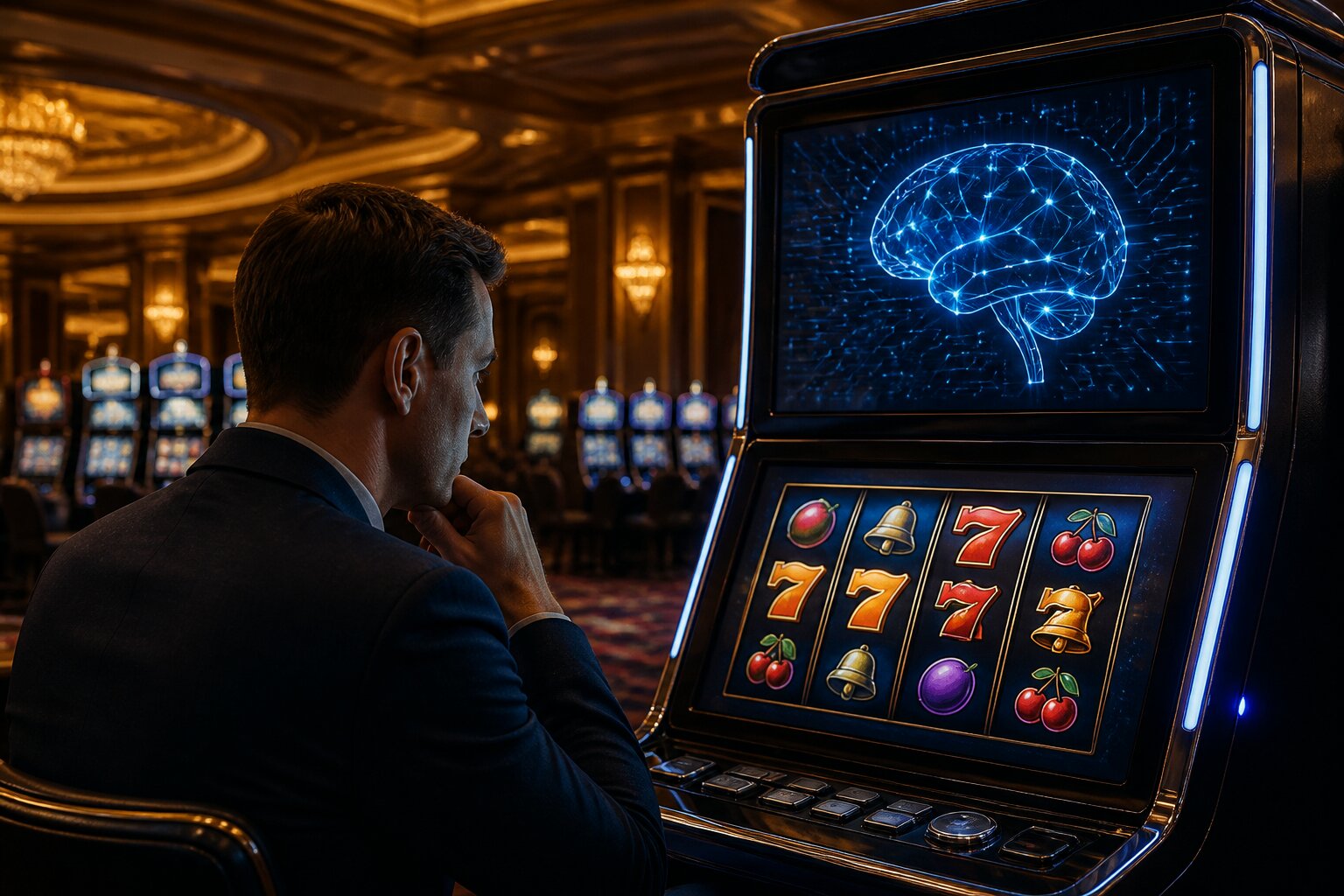
Have you ever wondered whether artificial intelligence could help you beat the slots? With so much talk about AI’s ability to spot patterns and make predictions, it’s understandable that some people hope it might influence the outcome of a spin.
There’s plenty of hype online, from forum posts to videos claiming AI is a shortcut to big wins. Before you accept any of those promises, it helps to look closely at how slot systems actually work and what AI can realistically do in this space.
Read on to separate the technical facts from the speculation and see what role, if any, AI plays around the reels.
How Do Online Slot Game Algorithms Work?
Online slot games run on software built around a Random Number Generator, or RNG. This system continually produces sequences of numbers that determine the symbols shown when you press spin. The result of each spin is produced independently from the last, so outcomes cannot be inferred from previous results.
The RNG is designed so the mapping between generated numbers and reel symbols yields defined payout rates over time. Those payout rates, often expressed as a return-to-player (RTP) percentage, are set by the game provider and reviewed during testing. Because every spin is an independent event generated by the RNG, there is no reliable way to predict future outcomes from past spins.
Regulation reinforces this technical setup. Operators must subject their games to independent testing to ensure the RNG performs correctly and the advertised RTP is accurate. These checks are part of the wider rules overseen by the UK Gambling Commission to maintain integrity across the industry.
If you keep this technical picture in mind, it becomes clearer why attempts to forecast outcomes are fundamentally flawed.
The Role Of RNGs In Online Slots
The RNG is the engine that makes outcomes unpredictable and impartial. It prevents any party—including players, platform operators, or game creators—from steering the result of an individual spin.
Independent test houses assess RNG behaviour, confirming that results conform to statistical expectations and that the game’s RTP aligns with what players are told. Licensing authorities require these reports to keep games on the market, so certified slots have been examined for compliance and fairness.
Beyond technical checks, operators also publish game rules and RTPs so players can understand how a title performs over large numbers of spins. That context helps set realistic expectations: short sessions can vary widely, while long-term averages move towards the published figures.
With this in mind, claims that a tool or technique can reliably change short‑term outcomes don’t fit with how the systems are built and regulated.
Is It Legal Or Ethical To Use AI On Slot Games?
Using external tools or software to influence the outcome of online games conflicts with operators’ terms and the regulatory framework. Attempts to manipulate a game, or to gain an advantage through unauthorised methods, can lead to account restrictions, forfeiture of winnings, and further action by operators.
From an ethical standpoint, integrity of play and equal conditions for all participants are central principles. AI applied to try and alter results undermines that principle. On the other hand, using data analytics or other AI tools for personal record-keeping, bankroll tracking, or reviewing play history for one’s own insight is a different matter—provided those activities do not breach a site’s terms.
So while AI can be applied in many legitimate ways around gambling, employing it to predict or influence spin outcomes is not acceptable.
Common Myths About Beating Slot Machines With AI
There are a few recurring claims you will see online:
- That AI can analyse prior spins and extrapolate the next result.
- That certain programmes can ‘learn’ a machine’s pattern and produce guaranteed wins.
- That timing bets or using pattern-recognition software gives a consistent edge.
All of these ideas overlook the RNG’s independence and the regulatory testing that ensures no exploitable pattern exists. As a result, they are myths rather than viable strategies. Believing them can lead to wasted time and funds, and possibly to sanction from an operator if the site’s terms are contravened.
If you find yourself enticed by such claims, it’s worth remembering how the technology and oversight fit together before investing time or money in a purported shortcut.
How Casinos Ensure Fairness In Slot Games
Operators and regulators work together to keep the playing field even. Game development follows standards that control how symbols, paylines, and bonus mechanics translate to an overall RTP. These design elements are examined as part of certification, and independent auditors test the RNG to verify statistical fairness.
Operators also monitor live activity for technical anomalies and to identify suspicious behaviour that might indicate cheating or exploitation. Where issues arise, audits and technical fixes are used to restore compliance. Publicly available information about RTPs and game rules helps players make informed choices about the titles they try.
Taken together, testing, audits, and monitoring create multiple safeguards so that outcomes remain determined by the prescribed design of the game, not by third-party interference.
What The Future Holds For AI And Online Slot Games
AI’s future role in the industry is more about supporting players and operators than changing game outcomes. For example, AI can be used to personalise content, improve customer support with faster responses, and detect patterns that may signal a need for player protection measures. These applications focus on service, safety, and operation rather than prediction of results.
Regulatory oversight will continue to shape acceptable uses of AI, ensuring that any deployment respects player protections and transparency. As tools evolve, so too will auditing methods and reporting standards to keep pace with technological change.
In short, AI is likely to make the gaming environment more user-friendly and better regulated, while the core mechanism that determines spins remains the RNG subject to independent testing and licensing requirements.
This is the practical picture: AI can enhance many aspects of the player experience and operational integrity, but it does not change how individual slot outcomes are generated or how fairness is maintained.
**The information provided in this blog is intended for educational purposes and should not be construed as betting advice or a guarantee of success. Always gamble responsibly.