
Ever wondered how many people in your area share your postcode in the People's Postcode Lottery? You’re not alone. Many players are curious about how postcode groups are formed and what it means if their postcode is drawn.
If you’ve seen your postcode among past winners or are simply curious about how entries are allocated, this article will explain the mechanics clearly and practically. Read on to discover how neighbour groups are defined, what affects their size, and how prize shares are handled.
How Does the UK Postcode Lottery Allocate Winners?
The People's Postcode Lottery links every ticket to a full Royal Mail postcode. When a draw takes place, the system selects postcodes from the full pool of entries and all tickets that match a drawn postcode share the prize for that draw.
The selection process is computerised and independently verified to ensure results are fair. Ticket quantity within a postcode does not affect whether that postcode is picked; it only affects how the prize is split among winners in that postcode. If your postcode is drawn, each active ticket for that postcode receives a share of the prize.
This method keeps the process straightforward: one postcode is selected, and all matching tickets split the allocated prize. Next, we’ll look at exactly who counts as a “neighbour” in this context and how postcode boundaries work in practice.
What Is Meant by 'Neighbours' in the Postcode Lottery?
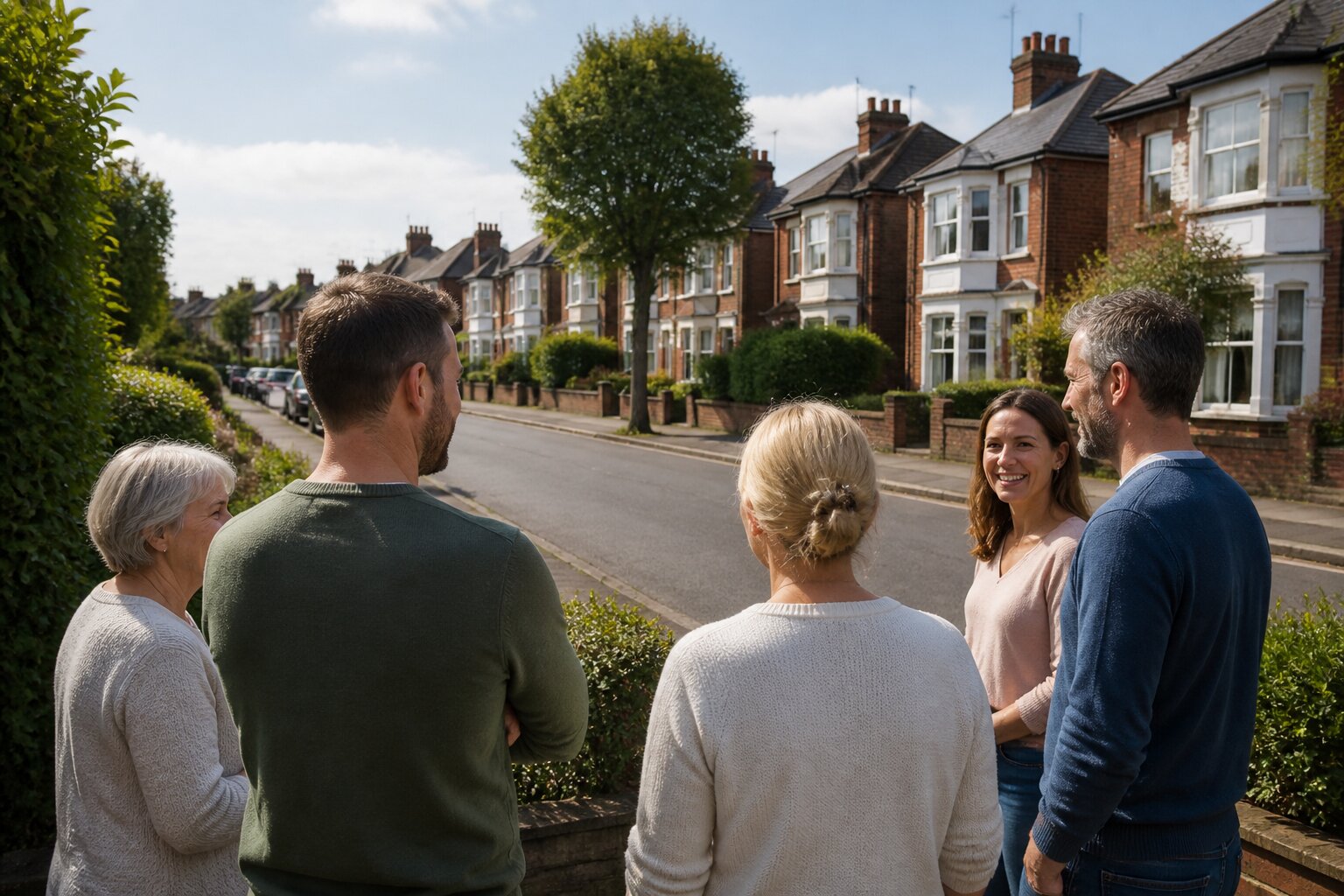
Neighbours are simply other people who live within your full postcode and hold active tickets for the lottery. That could mean households on the same street, flats in the same building, or any address sharing the exact letter-number combination used by Royal Mail.
A postcode can cover anything from a single address to a small cluster of homes. Importantly, only tickets that exactly match the full postcode are treated as winners when that postcode is drawn; nearby postcodes do not count. Only people aged 18 or over may hold tickets.
Understanding this definition helps when considering how prize shares are divided, and it leads into how postcodes are grouped for different prize types.
How Are Postcodes Grouped for the Lottery Draws?
The lottery uses full postcodes as its primary grouping unit because these correspond to the Royal Mail address system. For standard draws, only tickets matching the entire postcode are eligible for the prize associated with that draw.
Some larger prize categories, such as monthly or special street prizes, may use slightly different groupings or broader prize formats, but the core principle remains: the postcode grouping determines which tickets share a given prize. The grouping itself is administrative rather than an influence on who will be drawn, so it does not change the mechanics of selection.
With the basics of grouping clear, it’s useful to consider how many people typically live within a postcode and therefore might be playing.
How Many People Typically Share a Winning UK Postcode?
The number of players sharing a winning postcode can vary a great deal. In built-up urban areas a postcode might cover many flats and several potential ticket-holders, whereas rural postcodes often correspond to just a few homes. Typical postcodes commonly include between one and twenty addresses, but the actual number of players depends on how many residents choose to buy tickets.
When a postcode is drawn, every valid ticket linked to it becomes a winner and the prize is divided equally among them. Because participation changes from draw to draw, there is no fixed or guaranteed number of winners in any postcode — the size of the winning group depends on who has entered at the time.
Next, we’ll explore the factors that influence how many neighbours in a postcode take part in the lottery.
What Factors Affect the Number of Neighbours in a Postcode Lottery?
Several neutral factors determine how many neighbours play in any postcode:
- The physical size and design of the postcode: some cover small clusters of houses, others include multiple flats or larger developments.
- Population density: urban postcodes often contain more households closer together than rural ones.
- Personal choice: not every household will buy tickets, and some addresses include multiple players while others have none.
- Local awareness: newer developments or areas with lower publicity may have fewer participants initially.
These elements combined explain why postcode player numbers vary. Remember that the number of players only affects prize division, not whether a postcode is selected in a draw. The next section expands on how local demographics can be checked if you want more precise context.
Understanding Your Local Postcode Demographics
Knowing how many people live in your postcode can give a clearer idea of how many neighbours might be playing. Postcode areas are not uniform: some contain single properties, while others cover many households.
Official demographic resources provide detailed data on household counts and population. Tools from national statistics bodies and local councils can show the number of residences and typical household sizes for a postcode, which is helpful if you want a factual basis for estimating potential players.
If you prefer a quick sense of scale, look up the number of dwellings in your postcode via those official sources; this will indicate the maximum number of households that could be holding tickets. With that context, it’s worth addressing a few persistent misunderstandings about sharing prizes.
Common Myths About Sharing Prizes With Neighbours
A few myths circulate about how prizes are shared and what having neighbours in your postcode means. One misconception is that more players in a postcode reduces the postcode’s chance of being drawn; it does not. The draw selects postcodes independently of how many tickets are held in them. Another myth is that playing with friends or family in the same postcode improves odds — while it changes how a prize would be split, it does not influence the likelihood of the postcode being chosen.
Similarly, big payouts depend on prize categories and the number of winners in a postcode; a drawn postcode does not automatically mean a large sum for each individual if many people share the prize. Treating the lottery as a way to support charitable causes and for entertainment keeps expectations realistic.
Understanding these points helps set sensible expectations, and the next section explains how privacy is managed when winners are announced.
Privacy Concerns: Can Neighbours Find Out If I Have Won?
Winner privacy is protected. Announcements may list postcodes publicly, but the lottery operator does not disclose individual names or full addresses without a winner’s permission. Communications about prizes are sent privately to winning players by post, email or telephone, and any promotional exposure involving winners is voluntary.
Neighbours might infer that someone in a postcode has won if they see public notices or prize activity nearby, but personal details are kept confidential in accordance with data-protection laws such as GDPR. This privacy framework aims to balance transparency about winners with individual confidentiality.
Knowing where to look for reliable information supports a clear picture of local participation, which brings us to official sources of information.
Official Postcode Lottery Communication
The lottery itself is the primary source for authoritative details on ticketing and prize distribution; its public materials outline how draws work and what to expect if a postcode is drawn. For demographic or household counts, national statistics agencies and local council resources provide factual data about residences in a postcode area.
Using these trusted sources helps ensure information is accurate and up to date while keeping your personal data secure. If you want to check how many households exist in your postcode or learn more about prize formats, those official channels are the best places to start.
This covers how postcode groups are defined, what influences the number of neighbours playing, how prizes are shared, and where to find reliable information — all the essentials you need to understand how many people might share your postcode in the Postcode Lottery.
**The information provided in this blog is intended for educational purposes and should not be construed as betting advice or a guarantee of success. Always gamble responsibly.