
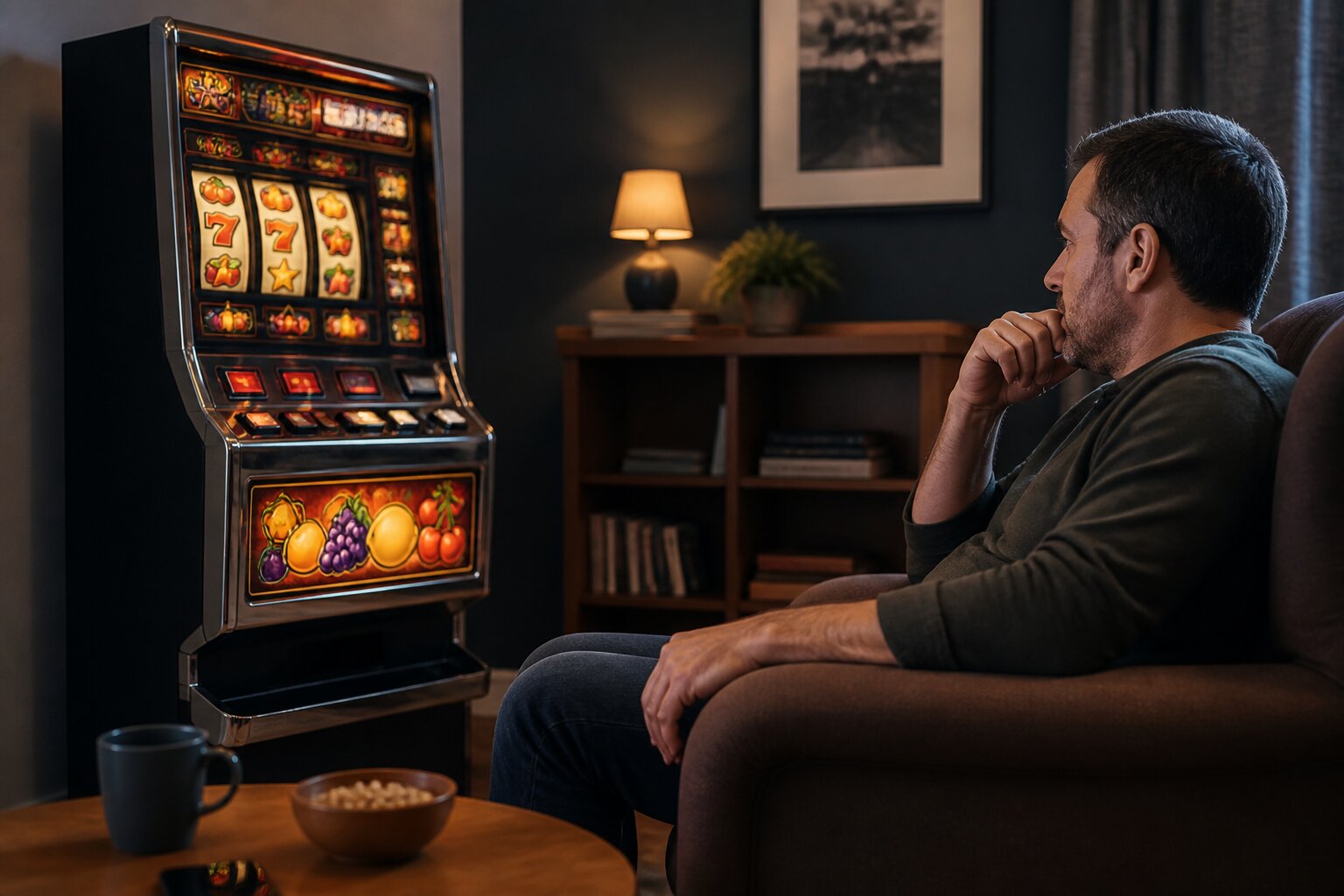
Have you ever spotted a classic fruit machine in someone’s games room and wondered whether you could legally own one yourself?
For many people, fruit machines and slot machines bring back memories of seaside arcades, pubs and social clubs. While owning one at home is possible in some circumstances, the legal position depends on factors such as the type of machine, how it is used and the regulations that apply.
This guide explains the rules around private ownership of slot and fruit machines in the UK. It covers the different types of machines, the gambling laws that apply, whether a licence is required, the rules for buying and selling, personal use at home, whether friends and family can use your machine, common misconceptions, potential penalties for unlawful use or possession, and where to find further guidance.
Read on to learn more.
Understanding Slot and Fruit Machines: Definitions and Types
Slot machines, commonly called fruit machines in the UK, are gambling devices where a stake is placed to spin reels that show symbols. Certain symbol combinations trigger payouts or prizes. These machines are regulated and split into categories that reflect where they may be used, how much can be staked, and the size of prizes.
Category C machines tend to appear in pubs and adult gaming centres. They typically have a maximum stake of £1 per play and a maximum cash prize around £100. Category D machines are low-stake amusement-with-prize devices often found in family arcades. They usually allow stakes of up to 10p or 30p, cash prizes up to £5, or non-cash prizes up to £8.
Other categories exist for casinos and betting shops, but for private collectors and homeowners the machines most commonly encountered will be in the Category C or D range. Knowing the category helps you understand important limits on use, prize types, and where a machine can lawfully be placed.
What UK Gambling Laws Apply to Private Ownership?
The principal law to know is the Gambling Act 2005. It sets out how gambling equipment can be used, who can operate it, and what counts as a commercial activity. For private individuals the crucial principle is simple: owning a machine for purely private use is generally allowed, but operating it for money or public play is not.
A machine kept at home must not be used to generate income, charge others to play, or offer cash prizes in return for stakes. If you start letting paying customers use a machine, or host public events around it, the activity shifts into regulated territory and an operating licence will be required.
Another important element is age restriction. Machines must be kept away from anyone under 18. The law treats access for minors seriously, and this rule applies even in a private setting.
Finally, pay attention to how you acquire machines. Buying, importing or selling should be done through legitimate channels so the device complies with UK regulations. Altering a machine in a way that changes how it pays out can also create legal problems.
If any of these points raise questions for your particular situation, checking official guidance or asking your local authority will clarify whether you are within the law.
Do You Need a Licence to Own a Slot Machine at Home?
Generally you do not need a licence to own a slot or fruit machine for private use in the UK. The law distinguishes between private ownership and providing gambling facilities to the public. A licence is required when a machine is provided for public use or when people are charged to play.
Exceptions occur if you rent the machine out, host paid events in your home, or permit real-money play that resembles a commercial service. In those cases you would be treated as an operator and require the appropriate authorisation. Failing to hold a required licence can lead to penalties.
Local council requirements can vary, so if you expect your situation to be close to that boundary it is sensible to check directly with the regulator or the local authority responsible for your area.
Buying and Selling Slot Machines: What Are the Rules?
Buying or selling a machine for private use is allowed, but you should exercise caution and follow sensible safeguards. Only deal with reputable sellers and keep records of transactions to demonstrate lawful ownership if necessary. Avoid unverified online listings that do not show compliance with UK rules.
When selling, ensure the buyer is over 18 and intends private use. Supplying machines to unlicensed venues, minors, or people who will operate them commercially is an offence. Similarly, importing machines should be done through legitimate suppliers so the device meets UK requirements.
Keeping clear paperwork and choosing established sellers protects you if questions arise later about the machine’s history or legality.
Is It Legal to Use Slot Machines at Home for Personal Entertainment?
Using a slot or fruit machine at home for private entertainment is legal when the activity stays non-commercial. The machine must not be used to make money, and access must be restricted to adults. These are the core requirements that keep private use within the law.
Even among family and friends, charging to play, offering cash prizes, or organising public-style events around the machine would change the legal picture and could require licensing. If you want to invite guests to see the machine without offering play for money or prizes, that is a safer way to enjoy it while remaining compliant.
You can allow friends and family to play in a private setting provided no payment or prize exchange takes place and everyone is over 18.
Myths About Private Slot Machine Ownership
A few persistent misunderstandings circulate about owning a machine privately. One is that any machine needs a licence regardless of use. In fact, licences are tied to operating or offering machines to the public rather than mere ownership for private enjoyment.
Another myth is that children can use home machines if supervised. The law is clear that under-18s must not have access to these devices. Some people also assume old, decommissioned, or “non-working” machines are exempt. Legal requirements can still apply to the possession and sale of such machines, so it is best to treat them with the same care as working devices.
Finally, people sometimes believe selling a machine casually to a stranger carries no risk. If the buyer intends to operate the machine commercially or provide it to minors, the seller could become involved in illegal activity. The safest approach is to verify the buyer’s age and intended use.
If any of these points leave you unsure, checking the regulator’s guidance will help clear things up.
Penalties for Illegal Slot Machine Possession or Use
Breaching the rules around ownership and operation can lead to serious consequences. Authorities can impose sizable fines, seize machines that are used unlawfully, and in some cases pursue criminal charges that carry a custodial sentence for the most serious offences.
Common triggers for enforcement include operating a machine commercially without the correct licence, allowing under-18s to play, or making a machine available to the public from a private address. Enforcement action can also affect future eligibility to hold gambling-related licences.
If your machine is found to be non-compliant it may be confiscated and destroyed, and those responsible could face further penalties. Staying within the defined boundaries for private ownership avoids these risks.
Where to Get Further Guidance and Support
If you need definitive information, the Gambling Commission’s website offers the most reliable and up-to-date guidance on machine categories, licensing and permitted activity. Your local council can also advise on any area-specific rules.
If owning a machine raises concerns about gambling behaviour for yourself or someone close to you, confidential support is available through national organisations which provide advice and practical help.
Keeping records, checking official guidance, and asking the relevant authorities for clarification are practical steps that will help you enjoy your interest responsibly and lawfully.
**The information provided in this blog is intended for educational purposes and should not be construed as betting advice or a guarantee of success. Always gamble responsibly.