
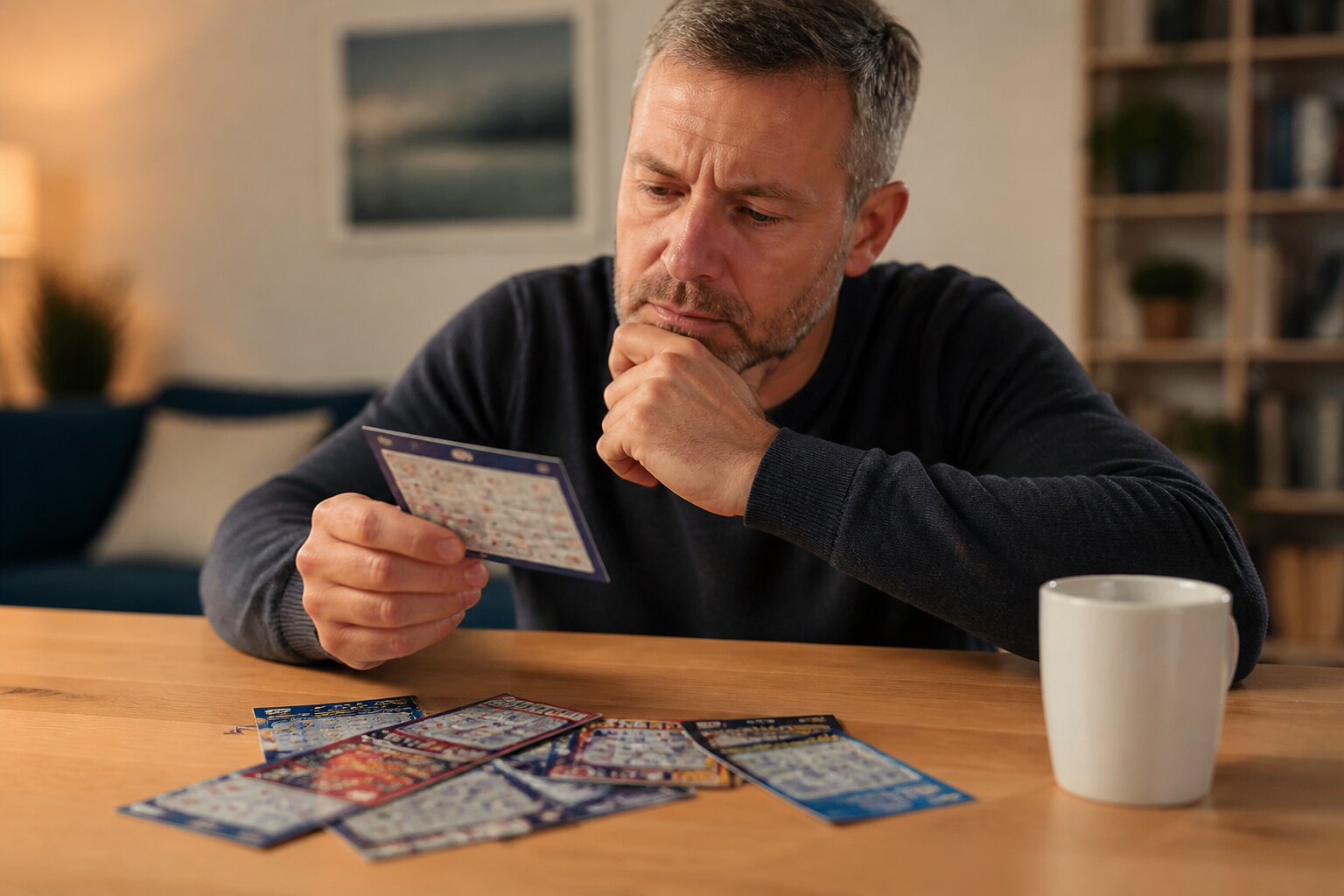
Ever bought a scratchcard or tried an instant win game and wondered if there are actually any big prizes left? Many imagine a celebration after a chunky cash win, but the reality is often more complicated than it first seems.
Instant win games promise a result in seconds, yet the true picture of remaining prizes, how the odds work and how frequently prize tallies are updated is not always obvious. Understanding which prizes remain and how to check them helps you make informed choices and keeps the experience sensible and clear.
What Are Instant Win Lottery Games?
Instant win lottery games reveal the outcome as soon as you play, rather than waiting for a scheduled draw. This category includes physical scratchcards bought in shops and digital versions accessed through an official lottery website or app.
Digital instant wins let you play at any time and reveal symbols or numbers on screen within moments. The whole process is immediate: there are no televised draws or ball machines. Games vary in price and potential payout, with lower-cost plays offering modest prizes and some higher-priced games carrying larger top prizes.
You must be at least 18 to play. These games are designed for short, straightforward play rather than long-term gambling, and that simplicity is part of their appeal.
How Can You Check Prizes Left on Instant Win Games?
The most reliable way to check what prizes remain is to consult the official lottery site or its app. Each game page normally includes a prize breakdown showing how many of each prize were originally available and how many remain.
Look for a “Prizes Remaining” section on the game’s page; it will list figures by prize value and show the date and time of the latest update. Updates can be frequent, sometimes daily, but they may lag behind recent claims. For store-bought scratchcards, point-of-sale displays and official posters sometimes show remaining top prizes, though these too reflect the last reported update rather than real-time sales.
If you need an accurate snapshot before deciding to play, check the timestamp on the prize list and use the official channels to verify the data. Next, it helps to understand how those published odds relate to what you actually face when you buy a ticket.
Understanding How Odds Change as Prizes Are Claimed
Odds printed on a scratchcard or instant win page are calculated at launch, based on the total number of tickets or entries and the total number of prizes at that time. For example, if a game starts with five top prizes and five million tickets, the initial chance of any single ticket containing a top prize would be 1 in 1,000,000.
As tickets are sold and prizes are claimed, the real chance of hitting a particular prize changes, but not in a way you can predict from the outside. If only one top prize remains among many unsold tickets, each remaining ticket’s chance of winning that prize is lower than at launch; if no top prizes remain, the chance is zero, regardless of how many tickets are still on sale.
Because you cannot know where winning tickets have already been purchased, every purchase still operates as a random event. The launch odds and the prize breakdown remain useful reference points, but they don’t tell you the exact current probability for any single play.
Knowing this, the next section looks at whether newly released games genuinely offer better chances than older releases.
Do New Games Offer Better Chances Than Older Ones?
A new instant win game arrives with its full complement of prizes, so the printed odds reflect that starting position. Older games may show many top prizes already claimed, which can make the remaining top-tier opportunities scarce.
However, newness alone does not guarantee a better outcome for any given play. Since the precise location of remaining winning tickets is unknowable, each ticket bought in a new or older game remains a random event under the game’s rules and odds. What changes is only the number of outstanding prizes reported at any moment.
When comparing games, focus on the documented prize structure and the most recent update for that game. That information gives the clearest, official snapshot of what remains, which helps you choose a game whose prize profile suits what you want from play. With that in mind, it’s useful to separate myths from facts about remaining prizes.
Myths vs Facts About Remaining Prizes
Misunderstandings around instant win games often come from assumptions about how prize lists and updates work. Clearing up these points helps set realistic expectations and reduces disappointment when a prize has already been claimed.
Can You Still Win Big If Major Prizes Are Gone?
Myth: The main jackpot can still be won after it’s been claimed.
Fact: If all top prizes for a game have been paid, that specific prize can no longer be won. Operators will not create new top prizes for that run of the game. Games are usually withdrawn from sale once their top prizes are gone, though there can be a short delay between the final claim and the withdrawal date. That delay can occur for administrative reasons or to allow remaining stock to be sold off.
Smaller prizes may remain available for a time even after top prizes are exhausted, and retailers may still have tickets that can win those lesser prizes. This distinction matters when choosing between games, so checking the current prize breakdown will show what specific prizes remain and whether the top tiers have been exhausted.
Are Prize Lists Always Accurate?
Myth: Prize lists reflect real-time results.
Fact: Prize lists are updated at intervals and will not reflect tickets purchased since the last update. Because updates happen periodically, a top prize may have been claimed but still appear available until the published figures are refreshed. Official guidance from operators typically states how often prize tables are updated and shows the last refresh time so players can see how recent the information is.
Because no public list is truly real time, treat prize listings as the most recent official snapshot rather than a live feed. That makes the published information useful for comparison and decision making but not a definitive guarantee at the exact moment you buy. Retail availability, online ticket processing times and the timing of claims all influence the lag between a claim and its reflection in published figures.
Key Tips for Choosing Instant Win Games
Choosing an instant win game is partly a matter of taste, but a few practical checks help you make informed decisions without repeating earlier explanations.
Check the update timestamp on the prize list so you know how current the figures are. Review the game’s prize structure and rules to understand the distribution between smaller and larger prizes. Decide on a spending limit before you play and use account-based tools to set sensible controls if available.
These steps are about staying in control and maintaining perspective; they do not alter the random nature of each outcome. If you ever feel play is becoming a problem, help is available from specialist support organisations.
The Bottom Line: What to Know Before You Play
Instant win games deliver quick outcomes and a wide range of prize structures, but the key facts are consistent: printed odds are set at launch, prize lists show the most recent official snapshot, and there is no public way to pinpoint where remaining winning tickets lie.
Approach these games as entertainment. Check the most recent prize information before you play, set a firm budget, and use available account tools to manage spending. If play stops being enjoyable or causes concern, specialist help is available 24/7 from support services such as BeGambleAware and GamCare. With that in mind, play only what you can afford and enjoy the experience responsibly.
**The information provided in this blog is intended for educational purposes and should not be construed as betting advice or a guarantee of success. Always gamble responsibly.