
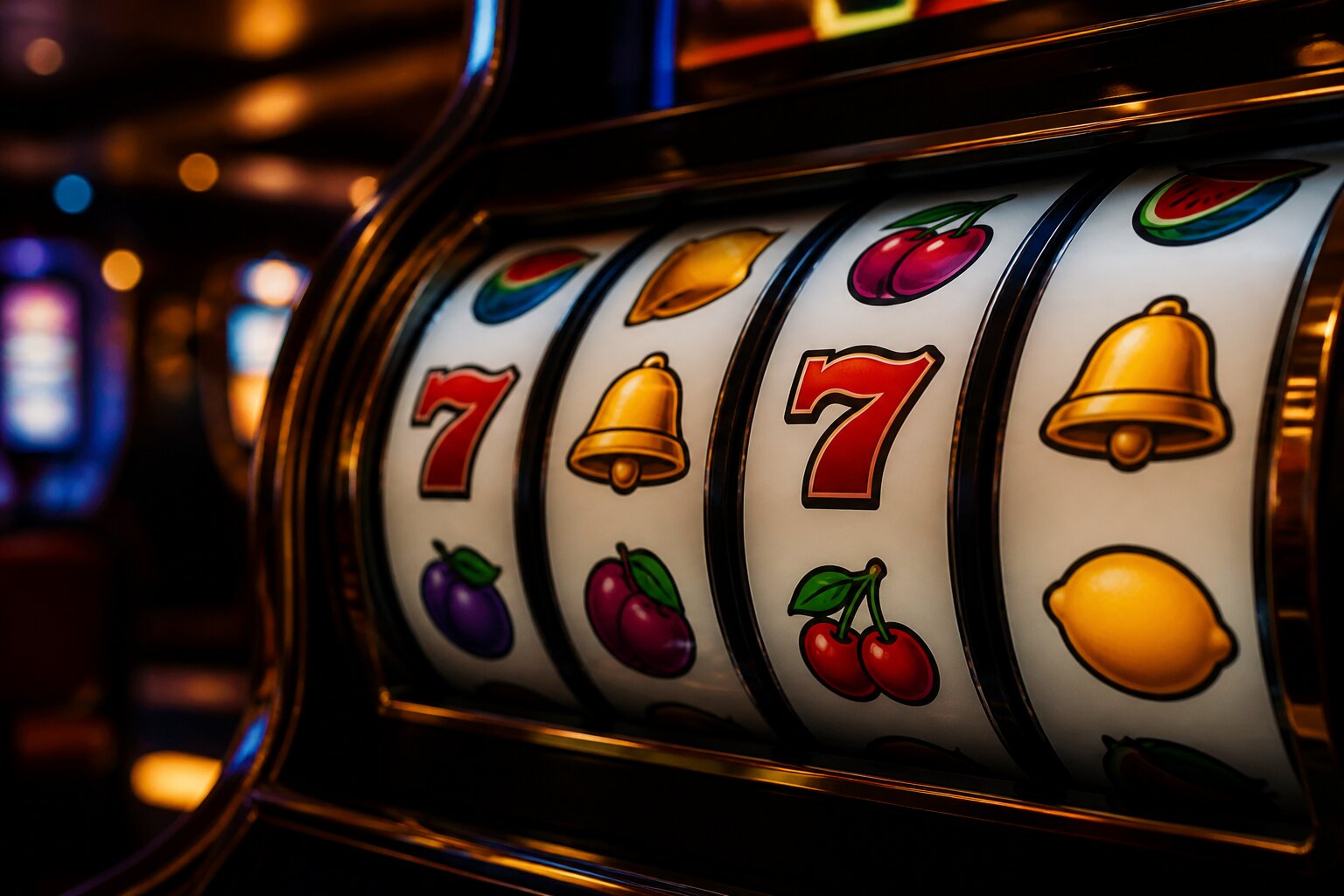
Ever sat in front of a slot machine—on your laptop or in a local pub—and watched the symbols whizz by, wondering what makes some games feel tighter or more generous than others? The reels that carry those symbols are central to how a slot plays, yet they’re often taken for granted.
This article walks through what a reel contains, why the number of symbols matters, and how different designs shape the game you see on screen. Read on to understand the mechanics behind those spinning columns and how they influence the kinds of wins a slot can offer.
Understanding Slot Reels: Basics & Layout
At its simplest, a slot is built from reels—vertical columns that display symbols when they stop. Classic machines commonly use three reels and a single visible row; most modern online slots use five reels with three visible rows, so a five-by-three layout shows 15 symbols at once. The visible grid is the stage where combinations form along paylines and determine payouts.
Each reel consists of a series of “stops” or positions where a symbol can land. In mechanical machines these are physical images on a drum; in digital games they are entries in a virtual reel strip. The number of rows and reels together decides how many symbols appear on a spin, but the actual number of stops behind each reel controls the variety and frequency of different icons. Understanding this distinction—visible symbols versus underlying stops—helps make sense of why two games with the same on-screen layout can feel very different in practice. This difference also sets up how developers manage odds and special features, which we’ll look at next.
How Many Symbols Are Typically Found Per Reel?
There’s no single answer, because the reel’s symbol count depends on whether a reel is physical or virtual and on the game’s design goals. Mechanical slot reels are limited by the drum’s surface, so a typical range might be around 10 to 22 distinct positions. Those repeat certain images to fill the reel and create the familiar, straightforward pay patterns of older fruit machines.
Digital reels have far greater flexibility. Developers can set 20, 30 or more virtual stops per reel, and they often repeat symbols across those stops to achieve a particular payout structure. A modern five-reel video slot might have 25 stops per reel, but many of those stops will map to the same on-screen icon; rarer symbols such as bonus triggers appear on fewer stops to keep those outcomes uncommon. The takeaway is that a higher number of stops expands the range of possible outcomes, but repetition and weighting determine how often each symbol is actually seen.
Factors Influencing the Number of Symbols
Several factors shape how many symbols appear on a reel and how they’re distributed.
Mechanical vs digital design is the most obvious. Physical reels are constrained by space, which tends to simplify symbol sets. Virtual reels remove that limit, letting designers add more stops and tailor frequency precisely. Game themes and features also matter: titles that include bonus rounds, expanding symbols, or multiple scatter types generally require a wider mix of icons and carefully placed stops so those features trigger at the intended rate.
Another influence is desired volatility. Games intended to produce steady, smaller wins will weight reels toward more common, lower-value symbols, while high-volatility games place valuable icons on far fewer stops to make big wins rarer. These choices shape player experience without changing the fundamental randomness of each spin. Next, we’ll examine the effect of symbol counts on odds and outcomes.
Do More Symbols Affect Your Chances of Winning?
Yes, the number of stops per reel affects the statistical chance of specific combinations, because each stop is a separate outcome that the spin can land on. If a reel has 10 stops, a given symbol appearing on a single stop is more likely to show than if that same symbol occupies 1 of 30 stops. Put simply, more stops create more possible combinations and can make particular alignments less frequent.
That said, developers adjust how symbols are repeated across stops so the visible on-screen frequency and paytable balance create the intended playstyle. A slot with many stops may still produce frequent small wins because low-value symbols occupy many positions, while high-value symbols remain rare. Random number generation governs each spin so every outcome is independent; the underlying stop counts are one of several tools designers use to control how often different results occur. The next section contrasts older and newer machines to show how these ideas apply in practice.
Classic vs Modern Slot Machines: Symbol Differences
Classic mechanical slots tend to feature a short list of symbols—cherries, lemons, bells, bars and sevens—often repeated across a limited number of stops. The simplicity made it easy for players to understand how near a win they were, and the machines relied on repetition to set the pay structure.
Modern video and online slots use a broader symbol set tailored to their theme: themed character icons, playing-card values, animated wilds and distinct bonus icons. These games place symbols across many virtual stops, which lets designers include special features such as scatters, expanding symbols or cascading reels without overcrowding the visible play area. The visual variety also masks the careful weighting beneath the surface: rare symbols are kept scarce to protect progressive prizes or big payouts, while common symbols are distributed more widely to maintain engagement. With that in mind, the next section explains the roles different symbols play.
Common Types of Slot Reel Symbols Explained
Slots divide their symbols into functional groups that determine payouts and trigger features.
Standard symbols are the foundation: lower and mid-value icons that match the game’s theme. In older machines these were fruit and bars; modern titles often use playing-card ranks or themed images such as treasure or gems. They appear most frequently and are used to create the regular, smaller wins that keep play moving.
Special symbols add variety and opportunity. Wilds substitute for other symbols to complete winning lines, while scatters can trigger feature rounds such as free spins or bonus plays regardless of where they land. Bonus symbols are typically rarer and unlock interactive rounds or wheels that can lead to larger prizes. Each of these special icons is deliberately placed on fewer stops, which makes their appearances meaningful and exciting while keeping the game balanced.
Only one brief note on player safety: play should always be done within personal limits and for entertainment. The numbers and designs described here are intended to clarify how slots work, not to encourage chasing outcomes.
This overview should give a clear picture of how symbols and stops shape a slot’s behaviour, from visible reels to the weighted probabilities beneath them. Whether examining a classic fruit machine or a feature-rich video slot, the way symbols are arranged is the single most important factor that decides how a game plays and feels.
Play Online Slots at VIP Spins
We would love to welcome you to our community here at VIP Spins, where you can enjoy the fun and excitement of online slots whenever you fancy. Explore our site at your own pace and discover plenty of ways to be entertained.
Getting started is as simple as creating an account and making your first deposit, then you are all set to play. We look forward to seeing you spin with us.
**The information provided in this blog is intended for educational purposes and should not be construed as betting advice or a guarantee of success. Always gamble responsibly.