
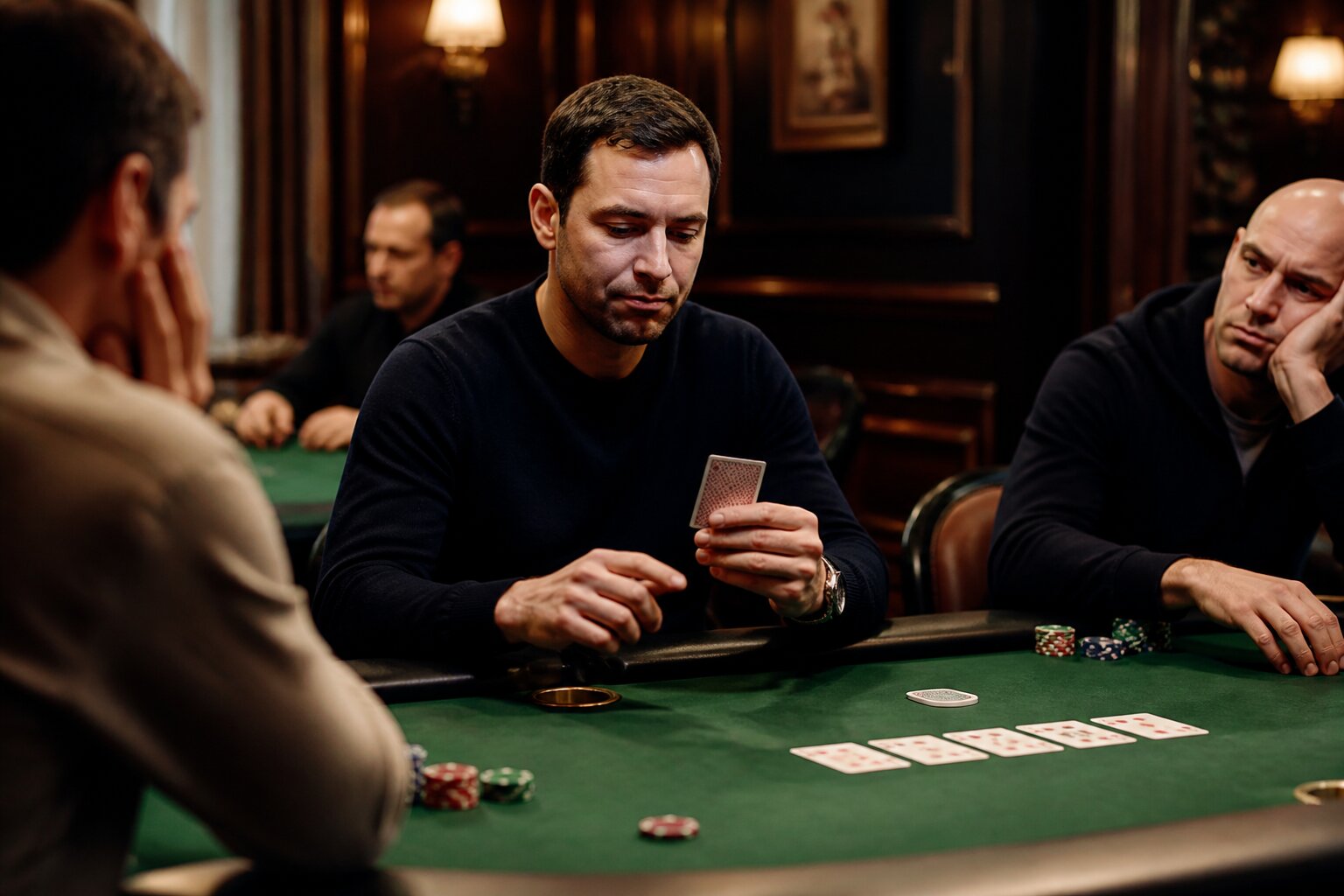
Poker is about strategy and making decisions at the table. Some behaviours can slow the game and affect how a hand plays out.
One etiquette issue that often causes arguments is slow rolling. This overview explains what it means, why it leads to disputes, and how to handle it so games stay fair and respectful.
Here’s what to know.
What Does Slow Rolling Mean in Poker?
Slow rolling is when a player with a winning hand delays revealing their cards at the showdown, even though no further decisions remain. Instead of turning the cards over promptly, the player hesitates or pretends to think, creating unnecessary suspense for opponents who already expect the outcome.
This behaviour is not part of the play itself, no extra bets or strategy are involved. It is purely about stretching the final moment to prolong the other players' suspense. Because the action needlessly heightens opponents' anticipation and potential disappointment, it is widely seen as bad manners at the table.
Slow rolling can prompt strong reactions from other players, ranging from irritation to open confrontation. In organised games and tournaments it may be treated as unsportsmanlike conduct and can attract warnings, penalties or even removal in severe or repeated cases. Occasionally a delay happens accidentally, for example if a player is genuinely confused, but deliberate slow rolling is the behaviour that attracts criticism.
Why Is Slow Rolling Considered Bad Etiquette?
Poker relies on a shared sense of fairness and basic consideration between players. When someone slow rolls, they put a moment of personal amusement ahead of that mutual respect. The effect is often embarrassment for the losing player and frustration for everyone watching.
Slow rolling can also interrupt the flow of the game and distract players from concentration. A delayed fold or reveal forces others to wait unnecessarily, which can be particularly irritating in a full ring game or during a long session. That interruption reduces the enjoyment for people who prefer a steady, predictable pace.
Beyond the immediate annoyance, slow rolling can erode the atmosphere at the table. Players who feel disrespected are less likely to enjoy the game and this can have several consequences:
- They may leave the table early.
- They may avoid sitting with the slow roller in future games.
- The overall mood at the table can become tense or sour.
That loss of goodwill changes the game for everyone, so avoiding such behaviour supports a better experience for the group. Good etiquette helps maintain a friendly environment, encourages fair competition, and keeps players coming back.
How Do Players Typically Slow Roll?
There are a few common patterns to watch for. A player might pause dramatically before revealing their cards, even when the winner is obvious. They may wait until the opponent shows their losing hand and only then turn over the winning cards, or they might make needless comments to heighten the moment.
These actions all achieve the same result: they prolong the reveal to provoke a reaction. The more polite and sportsmanlike response is to show winning hands without delay, letting the game move on.
If you’re curious about how others see this, the next section explains how experienced players usually respond.
How Do Experienced Poker Players React to Slow Rolling?
Experienced players tend to value decorum and clear play. Most will not escalate a situation, but they will make their disapproval known, often quietly and without drama. A calm reminder about etiquette or a private word away from the table is a typical response.
Many seasoned players prefer to avoid confrontation at the table. They will sometimes fold and move on rather than prolong an awkward moment, especially in cash games where play is continuous. In tournaments, players may be more inclined to call a floor official if the behaviour affects the integrity of the event.
Some players simply choose not to play with repeat offenders. Others use the moment as a teaching point for less experienced players, explaining why the behaviour is discouraged and how it can unsettle a table. These conversations are usually brief and focused on preserving the quality of the game.
If the slow rolling is persistent or intentional, experienced players may take formal steps: they will notify the dealer or request a supervisor to review the incident. This helps ensure consistent enforcement of house rules and prevents escalation.
Overall, professionals try to keep the game civil so strategy and skill remain the focus rather than petty theatrics. Maintaining a respectful atmosphere benefits everyone and keeps the session both competitive and enjoyable.
The Unwritten Rules: Poker Etiquette Every Player Should Know
Good etiquette keeps poker fair and enjoyable. Here are common practices players are expected to follow, presented with a bit of context so they make sense at the table.
Some of the key points to remember are:
- Act promptly and honestly during your turn. Delays affect the whole table and break the flow of play.
- Treat opponents with respect, win or lose. How you behave now affects whether others want to play with you later.
- Keep celebrations and reactions measured. Excessive gloating can humiliate others and sour the atmosphere.
- Avoid discussing ongoing hands or revealing information that could influence play unfairly.
- Reveal your cards promptly at showdown, particularly when the result is clear.
Following these norms helps maintain trust and keeps the competition constructive. Next, we’ll look at a few misunderstandings about slow rolling so you can recognise it more accurately.
Common Misconceptions About Slow Rolling
A frequent misconception is that slow rolling is clever gamesmanship. In truth, it’s rarely strategic and mostly creates ill will. Another misunderstanding is that it’s acceptable in high-stakes play because emotions run higher—professional players still expect the same standards regardless of stakes.
Recognising these misconceptions makes it easier to avoid becoming the cause of frustration yourself.
How to Avoid Slow Rolling at the Table
Avoiding slow rolling is straightforward. When the hand reaches showdown and you know you have the best hand, show your cards without unnecessary delay. There’s no need to wait for others to reveal theirs first.
Pay attention to the rhythm of the table and respond in a way that keeps the game moving. If you find yourself tempted to draw out a reveal for effect, remember the potential cost: lost goodwill and a poorer experience for the group. Simple, timely actions strengthen trust and make future sessions more pleasant for everyone.
If the table atmosphere feels tense, stepping up your awareness of these small courtesies helps restore a balanced environment.
What Should You Do If Someone Slow Rolls You?
If you’re the one being slow rolled, staying calm tends to be the most effective approach. Take a moment to breathe and avoid reacting in anger. A short, polite reminder about table etiquette can often correct the behaviour—many players simply do not realise the impact of what they are doing.
If the behaviour continues, involve the dealer or organiser. They are responsible for managing conduct at the table and can speak to repeat offenders in a neutral way. This keeps the situation from escalating and helps maintain a fair game for everyone.
To summarise your options, consider these steps:
- Give a calm, polite reminder to the player who is slow rolling.
- If that does not work, quietly ask the dealer or organiser to intervene.
- Avoid public confrontation that could sour the atmosphere or lead to unnecessary conflict.
Handling the matter discreetly preserves the game environment and sends a clear message that deliberate slow rolling is unacceptable.
Slow Rolling in Pop Culture & Media
Slow rolling appears now and then in film and television, usually used as a dramatic device to heighten tension or reveal character traits. Directors often stretch the moment to focus on facial expressions and the silence that follows a delayed reveal. This can make the scene feel more intense and memorable.
In televised poker, slow rolling is sometimes shown for dramatic effect, but commentators and professionals routinely point out that it is poor form in real games. Coverage will often include analysis and criticism to remind viewers of accepted etiquette at the table.
These portrayals serve as reminders:
- drama may play well on screen and create strong reactions from an audience
- the standards of good conduct at the poker table are different from what looks good on television
These examples help explain why the poker community emphasises courteous play over spectacle. Respectful behaviour is promoted to keep games enjoyable for everyone and to protect the integrity of the game.
Summary: Why Avoiding Slow Rolling Matters
Avoiding slow rolling is about protecting the social fabric of the game. Needlessly prolonging a showdown creates frustration, damages trust and can drive players away. Small acts of courtesy—prompt reveals, measured reactions and respectful behaviour—help keep sessions enjoyable for everyone.
If you want to be a desirable opponent and keep a game full of competition and good conversation, pay attention to etiquette. Courtesy at the table reflects well on you, preserves the quality of play and makes every session more rewarding for all involved.
**The information provided in this blog is intended for educational purposes and should not be construed as betting advice or a guarantee of success. Always gamble responsibly.