
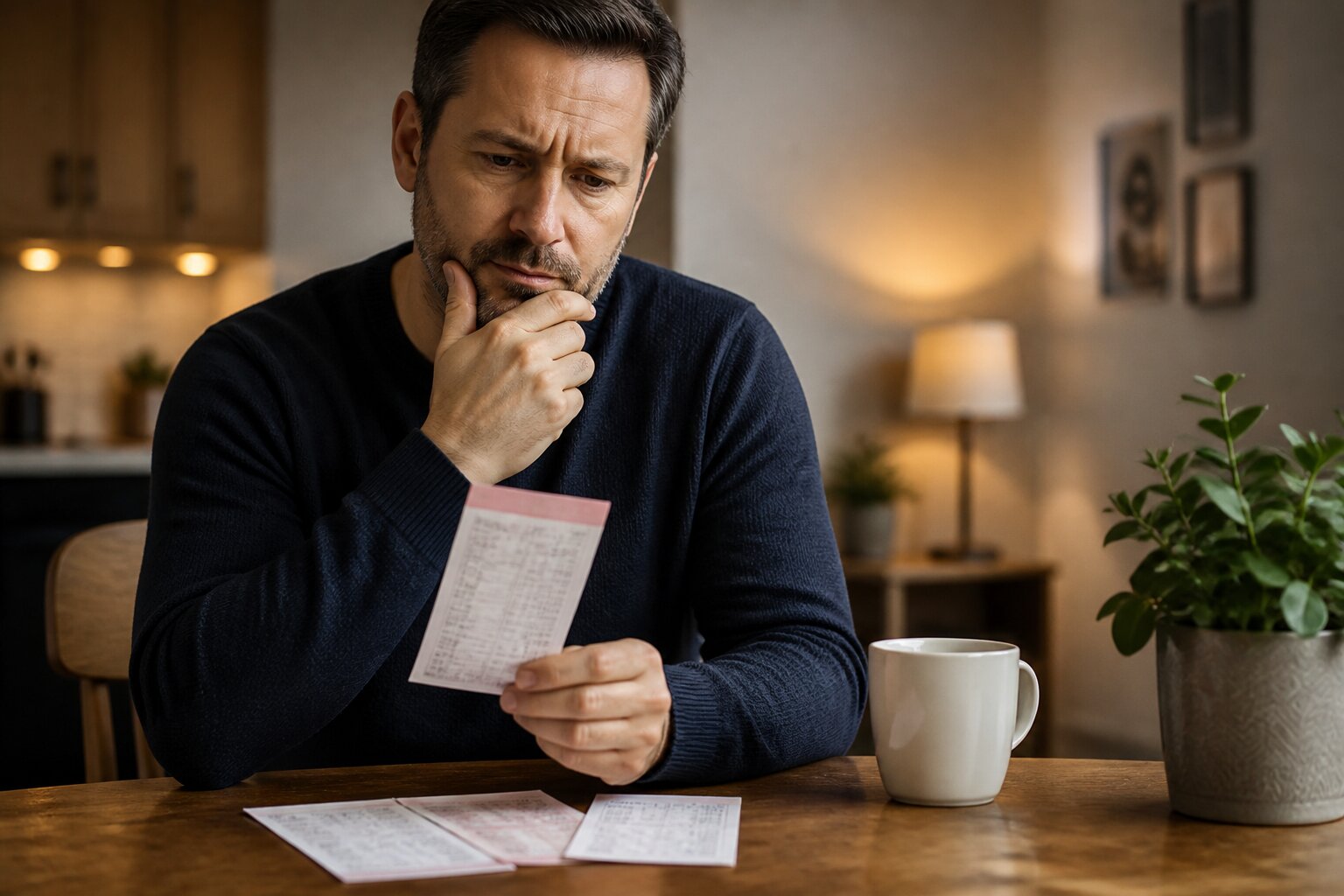
Picture the scene: the EuroMillions results are in and you’ve matched two numbers. You grab your ticket and do a double-take, wondering whether that small match counts for anything. It’s a familiar moment for many players — a mix of curiosity and a search for clarity.
Rumours circulate about whether matching two numbers brings a payout, a free entry, or nothing at all. The truth lies in how the prize tiers are structured and what combinations actually qualify for a reward.
Understanding the real rules can change how you check your next ticket and shape sensible expectations when the results come in.
The Real Prize for Matching 2 Numbers on EuroMillions
Matching exactly two main numbers on a standard EuroMillions ticket puts you in one of the lowest possible combinations, and under the current prize structure it does not carry a cash prize. The minimum combinations that qualify for a payout are either two main numbers plus one Lucky Star, or three main numbers.
This can surprise players who are used to scratchcards or other lotteries where very small matches sometimes pay out. EuroMillions follows its own ladder of prize tiers, and official guidance from The National Lottery confirms payouts begin at the higher tiers described here. Prize rules can change, so checking the current official breakdown before deciding what to do with an old ticket is sensible.
If you want to know which combinations do pay out and how they sit in the overall ladder, the next section clears up several common misunderstandings about small matches.
Myths About Winning with 2 Numbers
There are a few persistent myths around matching two numbers. Clearing these up helps avoid false hopes and makes checking a ticket quicker and less confusing.
One myth says that matching two main numbers guarantees cash. In reality, that alone is not a paying combination. Another belief is that a free Lucky Dip or similar consolation entry is always awarded for two matches. Such offers, when they appear, are temporary promotions rather than part of the standard EuroMillions rules. Some players also assume prize amounts for small matches are fixed each week; actually, most non-jackpot prizes vary because they depend on ticket sales and how many winners share a tier.
Knowing these distinctions makes it easier to see which combinations are meaningful, and prepares you for how prizes are shared across winners. That understanding leads naturally into how the whole prize ladder is organised.
Is Matching 2 Numbers a Win or Not?
Under the official EuroMillions rules, matching exactly two main numbers is not classed as a win in the sense of a cash prize. The draw recognises winners only when a ticket matches combinations that appear in the paid tiers, such as two main numbers plus one Lucky Star, or three main numbers and above.
For example, if your ticket shows 3, 15, 28, 44 and 49 and the draw includes 15 and 49 as the only matching main numbers, the ticket does not qualify for a monetary prize. The distinction between “some numbers matched” and “a prize-qualified ticket” is central to checking results accurately. With that clear, the next section explains how prizes are grouped across the tiers you might see listed in official information.
EuroMillions Prize Tiers Explained
EuroMillions prizes are divided into tiers that depend on how many main numbers and Lucky Stars a ticket matches in a single draw. Each tier corresponds to a specific combination and some tiers are far more likely to be shared among many winners than others.
-
Jackpot: Match 5 main numbers + 2 Lucky Stars
Example: Match all five main numbers plus both Lucky Stars -
2nd Tier: Match 5 main numbers + 1 Lucky Star
Example: Match all five main numbers and one Lucky Star -
3rd Tier: Match 5 main numbers
Example: Match all five main numbers, no Lucky Stars -
4th Tier: Match 4 main numbers + 2 Lucky Stars
Example: Match four numbers and both Lucky Stars -
5th Tier: Match 4 main numbers + 1 Lucky Star
Example: Match four main numbers and one Lucky Star -
6th Tier: Match 4 main numbers
Example: Match four main numbers, no Lucky Stars -
7th Tier: Match 3 main numbers + 2 Lucky Stars
Example: Match three main numbers and both Lucky Stars -
8th Tier: Match 3 main numbers + 1 Lucky Star
Example: Match three main numbers and one Lucky Star -
9th Tier: Match 3 main numbers
Example: Match three main numbers, no Lucky Stars -
10th Tier: Match 2 main numbers + 2 Lucky Stars
Example: Match two main numbers and both Lucky Stars -
11th Tier: Match 2 main numbers + 1 Lucky Star
Example: Match two main numbers and one Lucky Star -
12th Tier: Match 2 main numbers
Example: Match two main numbers, no Lucky Stars (does not qualify for a prize)
Only tiers 1–11 qualify for a cash payout or reward; the twelfth tier is listed for completeness but carries no prize. Understanding how those tiers sit together makes it easier to see why prize amounts fluctuate, which is explained next.
How Are EuroMillions Winnings Calculated?
The EuroMillions prize fund is assembled from ticket sales, with a fixed proportion of each ticket contributing to the overall pot. That shared pot is then split between the different prize tiers for each draw.
Prize amounts for tiers below the jackpot depend on overall ticket sales and the number of winners sharing each tier on the night. When many people win a particular tier, each person’s share is smaller; when few people win, the share is larger. The jackpot has a guaranteed starting value and grows with rollovers until it is won.
For instance, a second- or third-tier prize might be several hundred thousand pounds in one draw and notably less in another, depending on sales and winners. With these mechanics in mind, it becomes clear why players sometimes expect a fixed small reward and find instead that amounts vary from draw to draw.
Do Prize Amounts Change from Draw to Draw?
Yes. Apart from the guaranteed starting jackpot, non-jackpot prizes change because they are a share of the pooled funds and are split among winners. This is why the same tier can pay different sums in different weeks.
Are EuroMillions Prizes Tax-Free in the UK?
Winnings paid by the lottery in the UK are received without tax deductions. However, subsequent financial decisions involving large sums, such as investments or gifts to others, can create tax obligations under normal UK rules, so taking professional financial advice is sensible for significant prizes.
If you want to look at how the calculation mechanics affect smaller tiers specifically, the next section clarifies common misunderstandings players have about those results.
Common Misconceptions About Small Wins
Players often transfer expectations from other lottery games to EuroMillions, and that is a common source of confusion. One mistake is assuming that small matches equal small guaranteed payouts; as explained earlier, many EuroMillions prizes are shared and therefore variable. Another is thinking EuroMillions follows the same rules as games where lower-tier wins are fixed — it does not.
Some players expect promotional extras, such as free plays, to be standard for low-tier matches. Promotions do happen but are separate from the normal prize structure. Finally, thinking a low match is enough to recoup the cost of a ticket misunderstands how the prize fund is distributed across tiers.
Clearing up these misconceptions helps keep expectations realistic and reduces time spent puzzling over whether a small match is actually worth anything. The final section pulls these points together and suggests a sensible way to treat small matches when you check your ticket.
The Bottom Line: What Matching 2 Numbers Really Means
Matching exactly two main numbers in a UK EuroMillions draw does not deliver a cash prize or standard reward. While seeing some numbers match can feel encouraging, that combination is not a paying tier under the current prize structure.
If your ticket has two main numbers and no qualifying Lucky Stars, the official rules mean there is no payout. Play should be undertaken with clear expectations about how prizes are awarded and within personal limits. If play starts to feel less enjoyable or becomes a problem, help and tools are available to support safer choices.
**The information provided in this blog is intended for educational purposes and should not be construed as betting advice or a guarantee of success. Always gamble responsibly.