
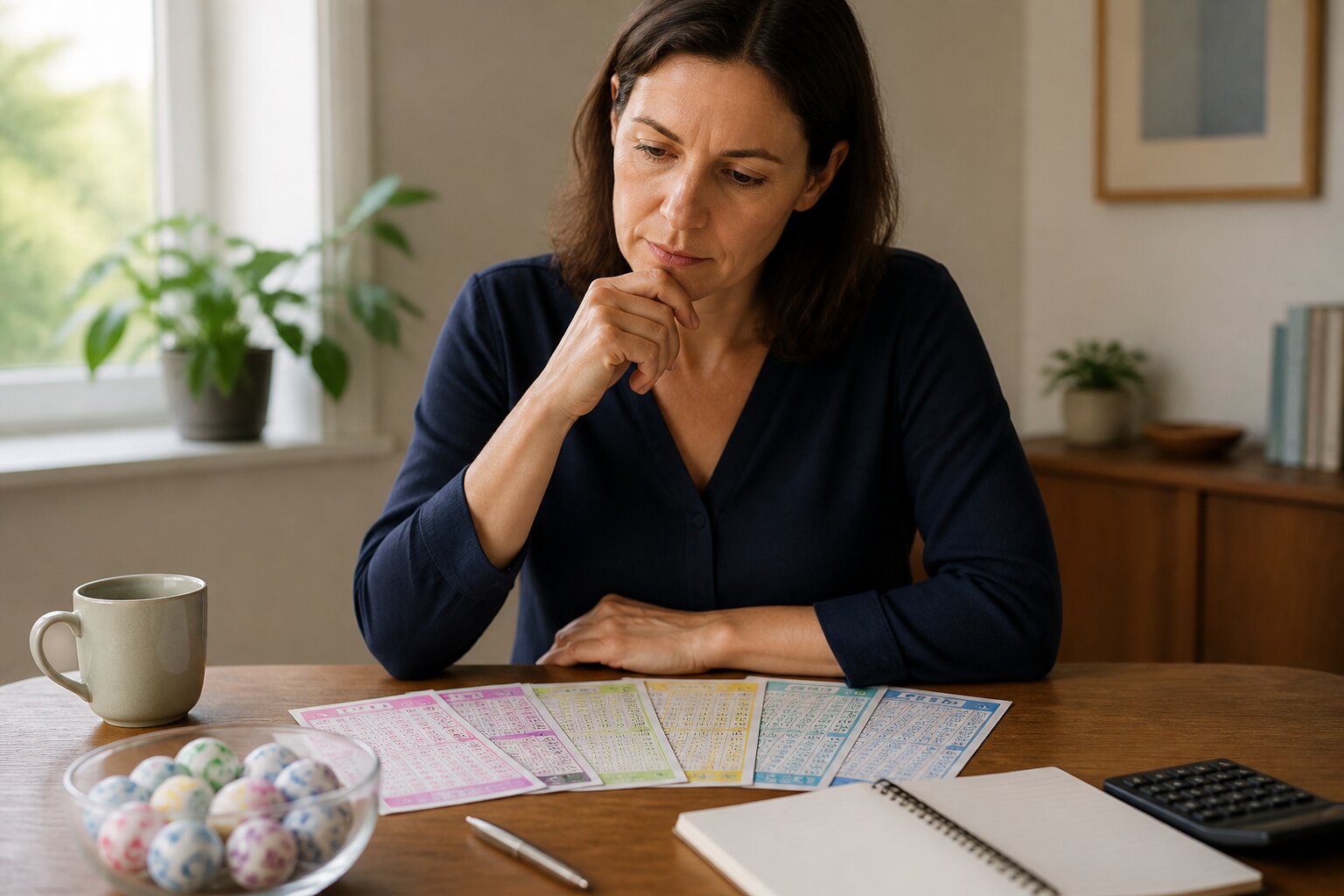
Dreaming of bagging a massive lottery win is about as British as queuing for the bus or complaining about the weather. Whether it’s the National Lottery, EuroMillions, or a local scratchcard, many of us picture what we’d do if the numbers finally came up. But have you ever wondered whether one lottery gives a better chance than another, or if the odds of winning are really as slim as people say?
There’s no shortage of stories about big winners and near-misses. Some people prefer to choose their own numbers, while others opt for the machine to pick a line. Myths about how to ‘beat the odds’ spread quickly, but do they stand up to a clear look at the maths?
When real money’s involved, it pays to pause and understand the probabilities behind different games, so you can separate facts from fiction before buying your next ticket.
Understanding Lottery Odds: How Are They Calculated?
Lottery odds are simply a way of showing how likely, or unlikely, it is that you’ll pick the winning numbers. Every lottery game has its own set of odds, based on how many numbers you need to match and how many possible number choices there are in total.
For example, the National Lottery’s Lotto draw asks you to pick six numbers from 1 to 59. To win the jackpot you must match all six in a single line. The odds of matching all six numbers are roughly 1 in 45 million, because there are about 45 million different possible number combinations.
EuroMillions asks you to pick five main numbers from 1 to 50, plus two “Lucky Stars” from 1 to 12. To win the top prize you need all seven numbers. The odds here are about 1 in 139 million, making the EuroMillions jackpot much harder to land than the Lotto jackpot.
Odds are calculated using probability: the number of ways your chosen numbers can be drawn versus all possible combinations. Because there are so many possible combinations for each draw, winning the jackpot is extremely rare whether you pick your own numbers or let the machine select them. This mathematical setup is what leads into the common misconceptions and how they form.
Popular Lottery Myths Debunked
Lottery games attract plenty of myths and misunderstandings. Some ideas sound convincing at first, but the reality is far more prosaic. Knowing what’s fact and what’s fiction helps everyone make clearer choices about playing.
Are All Lotteries Equally Difficult to Win?
A common belief is that all lotteries offer about the same chance of winning. In truth, odds vary considerably depending on the game format. Matching six numbers from 1–59 produces very different probabilities to matching five plus two extra numbers from larger pools. Instant-win games and scratchcards have their own structures that affect prize frequency and size.
Different formats create different prize tiers and numbers of combinations, so it is incorrect to assume every ticket gives the same chance, regardless of which game you choose.
Does Buying More Tickets Improve Your Chances?
Buying more tickets does increase the number of combinations you hold, and so technically raises your chance of winning. However, the change is usually negligible compared with the overall odds. For instance, buying two Lotto tickets gives you 2 in 45 million rather than 1 in 45 million; the relative increase is obvious, but the absolute chance remains extremely small.
Purchasing many tickets does not remove the randomness of the draw, and no system, pattern or choice of numbers will meaningfully change the statistical odds. Sensible play means keeping spending within personal limits and recognising that extra tickets only marginally alter probability, not outcome.
Comparing the Odds of UK National and European Lotteries
When looking at the main draws available in the UK, the differences in jackpot odds are striking. Each popular draw has its own format, which directly influences the chances of landing the jackpot or a smaller prize. Below is a clear comparison of some of the most played lotteries in Britain, showing typical odds for the top prize and for any prize.
| Lottery | Jackpot Odds | Odds of Any Prize |
|---|---|---|
| Lotto (UK) | 1 in 45,057,474 | 1 in 9.3 |
| EuroMillions | 1 in 139,838,160 | 1 in 13 |
| EuroJackpot | 1 in 139,838,160 | 1 in 32 |
| Thunderball (UK) | 1 in 8,060,598 | 1 in 13 |
| Set For Life (UK) | 1 in 15,339,390 | 1 in 12.4 |
Scratchcards and instant win games appeal because results are immediate and straightforward. The odds of winning any prize on many low-cost scratchcards can be around 1 in 4, but those prizes are often small, sometimes only matching the cost of the ticket. Higher-value scratchcards may keep similar overall odds for any prize while making top prizes much rarer.
As an example, a £5 scratchcard might have top-prize odds around 1 in several million, while the Lotto jackpot sits at roughly 1 in 45 million and EuroMillions at around 1 in 139 million. So although scratchcards can offer higher chances of receiving some return, the largest prizes remain uncommon.
The key difference is timing and prize profile: instant-win games deliver immediate outcomes and a comparatively higher frequency of small rewards, whereas traditional draws feature much larger but far less likely top prizes. This contrast helps explain why players choose different products depending on whether they prefer quick outcomes or the chance of a major payout.
Big Jackpots vs. Better Odds: Which Should You Choose?
Players often face a trade-off between chasing very large jackpots and aiming for higher odds at smaller prizes. Large games such as EuroMillions produce headline-grabbing sums, but the odds of landing those amounts are long. Smaller draws, or ones with different prize structures, may offer a better mathematical chance of winning a meaningful amount, though the sums are lower.
Choosing between the two depends on the player’s priorities. Someone seeking the excitement of an enormous prize may accept the longer odds, while another person may prefer a draw with a more realistic probability of winning something substantial. Whatever the choice, it remains a decision about entertainment value rather than a financial strategy. With that in mind, it’s sensible to consider how to keep play safe and controlled.
Safe Participation: Responsible Lottery Play in the UK
Playing within the law and within personal limits keeps the experience positive. In the UK, players must be 18 or over to buy lottery tickets and participate in instant-win games. Treating these activities as occasional entertainment rather than an income plan helps maintain perspective.
Setting a clear spending limit beforehand and using available tools—such as account limits, spend reminders, and checking the transaction history—supports control. If play ever feels problematic, self-exclusion options can block access for a chosen period, and there are support services that offer confidential advice and help.
Using these safeguards makes it far more likely that playing remains an enjoyable, low-risk activity rather than a source of worry. The next section wraps up the key points so you leave with a clear summary.
The Bottom Line: Separating Lottery Fact from Fiction
Lotteries have a strong appeal, but understanding how the odds work is crucial. Top prizes across different games are won only very rarely because of the large number of possible combinations. Some games offer comparatively shorter odds for smaller prizes, and scratchcards provide quicker results at the cost of much smaller top prizes.
Buying extra tickets increases chances only marginally and no method alters the underlying probabilities. Results are determined by random draws, so expectations should match the reality of statistical likelihood rather than hopes of a guaranteed win.
Approach lottery play as a form of entertainment: keep spending within sensible limits, use available safety tools, and seek support if participation ever feels out of control. With clear information and controlled habits, playing can remain enjoyable without causing financial or emotional strain.
**The information provided in this blog is intended for educational purposes and should not be construed as betting advice or a guarantee of success. Always gamble responsibly.